 ACTIVEDISMANTLERSACTIVEDISMANTLERS
An older sedan can become a vehicle-sale enquiry after repeated repairs or changing household needs. Give the complete model details to distinguish its variant. Include engine and transmission information if known, along with the running condition and visible damage. Describe any uncertainty instead of filling gaps with guesses.
A tired four-wheel drive may have usable components even if it no longer meets your needs. An enquiry starts with its exact variant and present condition. Include the model or series, engine, transmission and any changes from its original configuration. Mention known underbody damage without making assumptions about its repairability.
You can also enquire about used replacement parts for a vehicle you are keeping. The car-selling and parts forms are separate so each request includes the information relevant to that job.
Give the make, model, build year and identifying information you have. Ask which details are needed to complete the assessment rather than selecting an uncertain variant.
Yes. List major changes and what will be included in the sale. Accurate specifications help the assessment and keep the agreed offer tied to the actual vehicle.
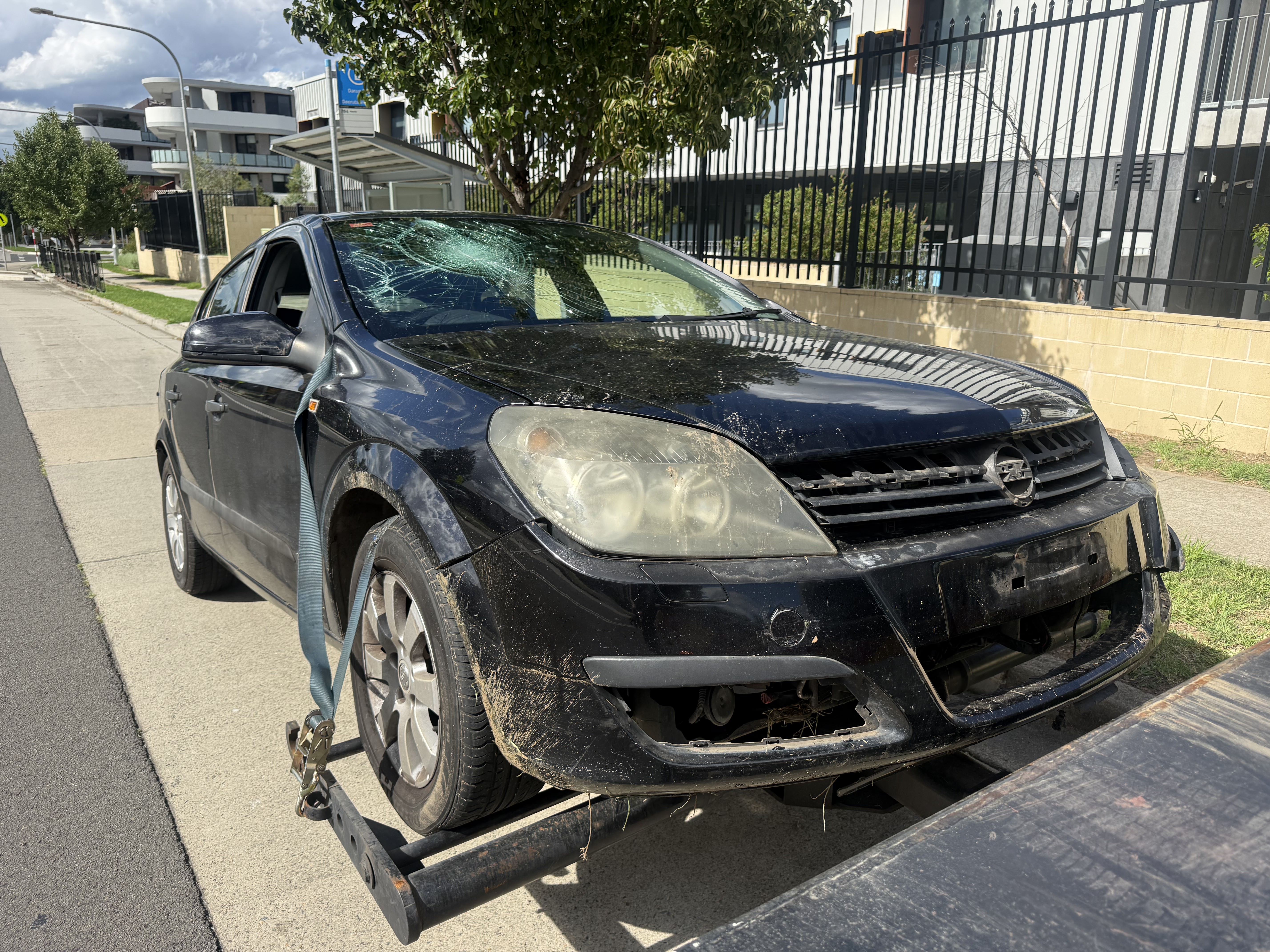
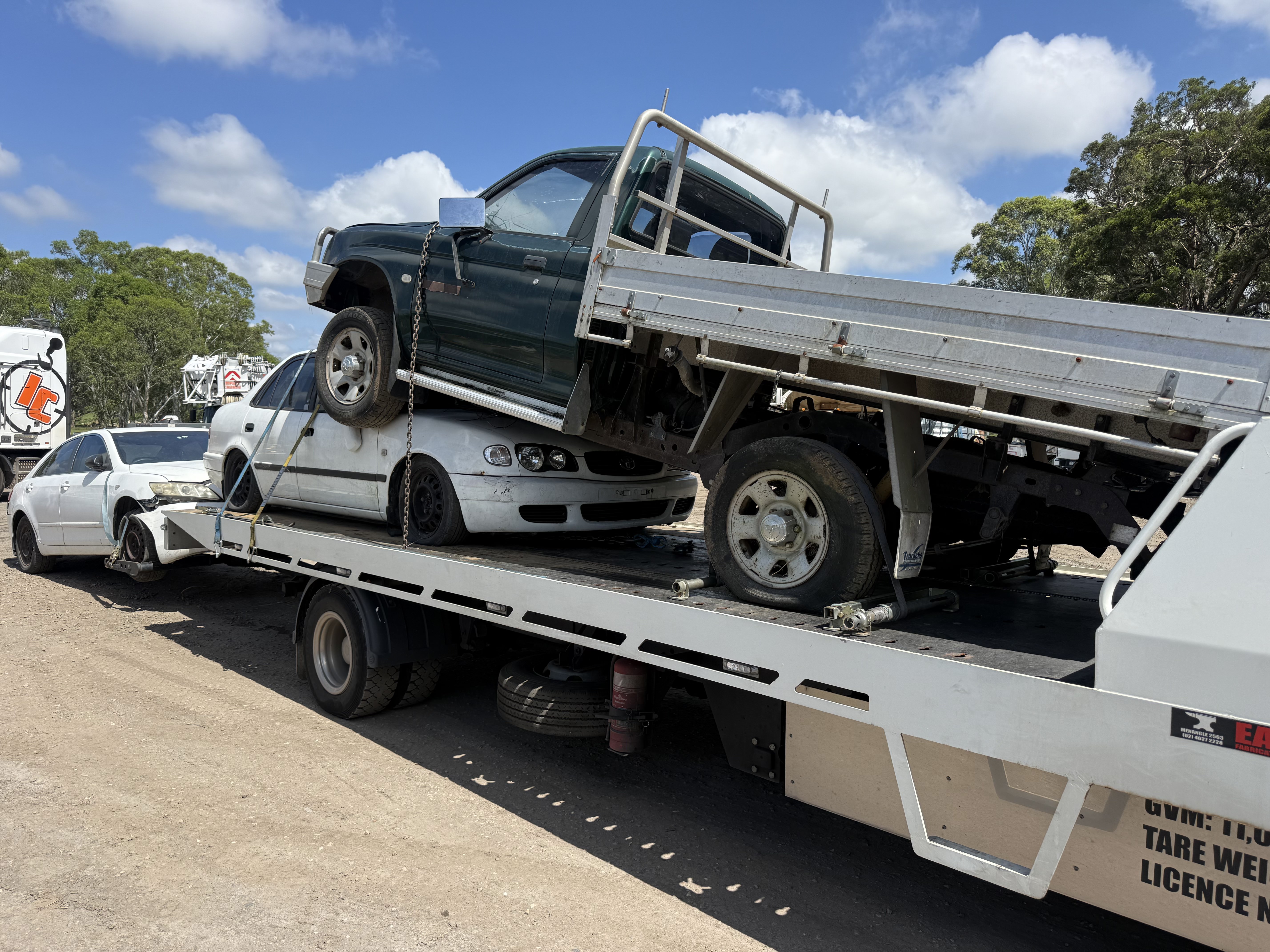
Speak with our car wreckers in Sydney about selling your unwanted vehicle in North Sydney. We assess the actual vehicle and its remaining components, rather than apply one fixed payout to every enquiry. Accurate information about running condition, completeness and access helps keep the offer and transport discussion aligned.
Where removed parts are beside the car, list them and explain whether they belong to the sale. Confirm any separate loading needs. Collection of a vehicle does not automatically include unrelated items at the property.
When enquiring about older sedan, separate the known condition from an unconfirmed diagnosis. If your enquiry also involves older 4wd, explain which fitted or loose components form part of the sale. Confirm the price, payment arrangements and any collection costs before committing to handover.
Have your ownership information ready and retain the agreed sale details. Check the current Service NSW disposal, registration and plate requirements for your situation. This is a Sydney-based business serving your enquiry, not a claim of a separate branch in each suburb.
Only items expressly agreed as part of the sale and transport arrangements should be included. Identify them clearly before accepting an offer.
For your North Sydney enquiry, confirm the description and included components, offer, payment arrangements, collection feasibility and any transport costs. A submitted enquiry does not reserve a collection slot or guarantee a particular price.
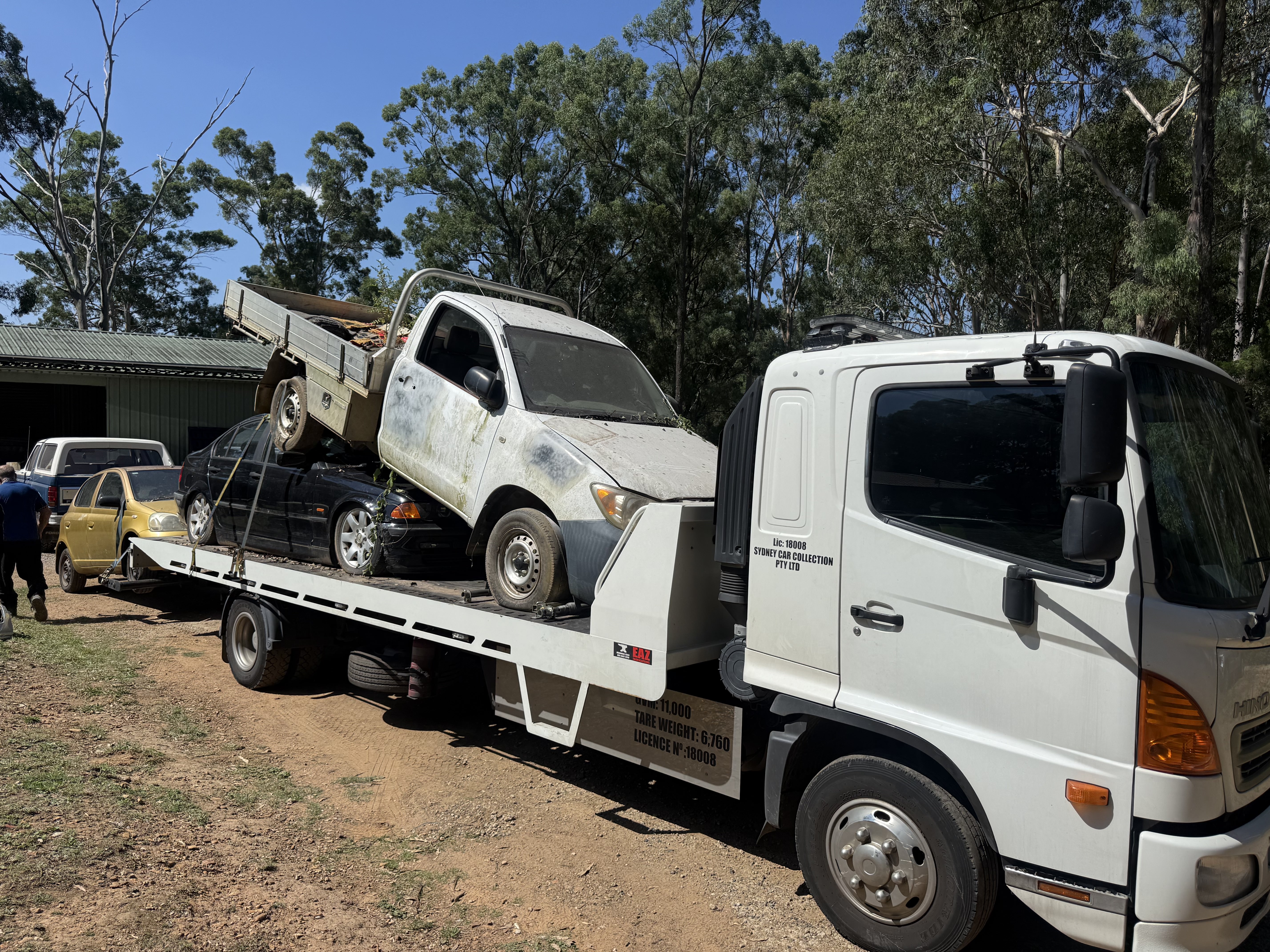
If your repairer has specified a braking component, use that description and its identifying details for the enquiry. State the component, vehicle year and relevant variant information. Ask about condition, and have the qualified person carrying out the repair decide whether the proposed used item is suitable.
When you are buying on a mechanic's behalf, use the mechanic's description and identifying information so the quote matches the actual repair. Ask for a written component list, part numbers and the relevant vehicle specifications. Confirm who will receive the order and whether collection or paid delivery is required.
For customers in North Sydney, we check the component rather than assume a model name guarantees fitment. Provide the full vehicle details when asking about makes including Ford and Holden; enquiries for other makes are welcome too. Enquiries cover small fittings through to engines, transmissions, panels and lighting; a mentioned part or make is not a live stock listing. Used components can be much cheaper than new or aftermarket replacements, but condition, demand and rarity affect the individual quote.
Have the fault and required part identified by a qualified repairer. The team can check availability against that specification; this page does not diagnose braking problems.
Ask about paid delivery for eligible components and provide the workshop address and receiving details. Confirm availability, fitment and the transport arrangements before dispatch.
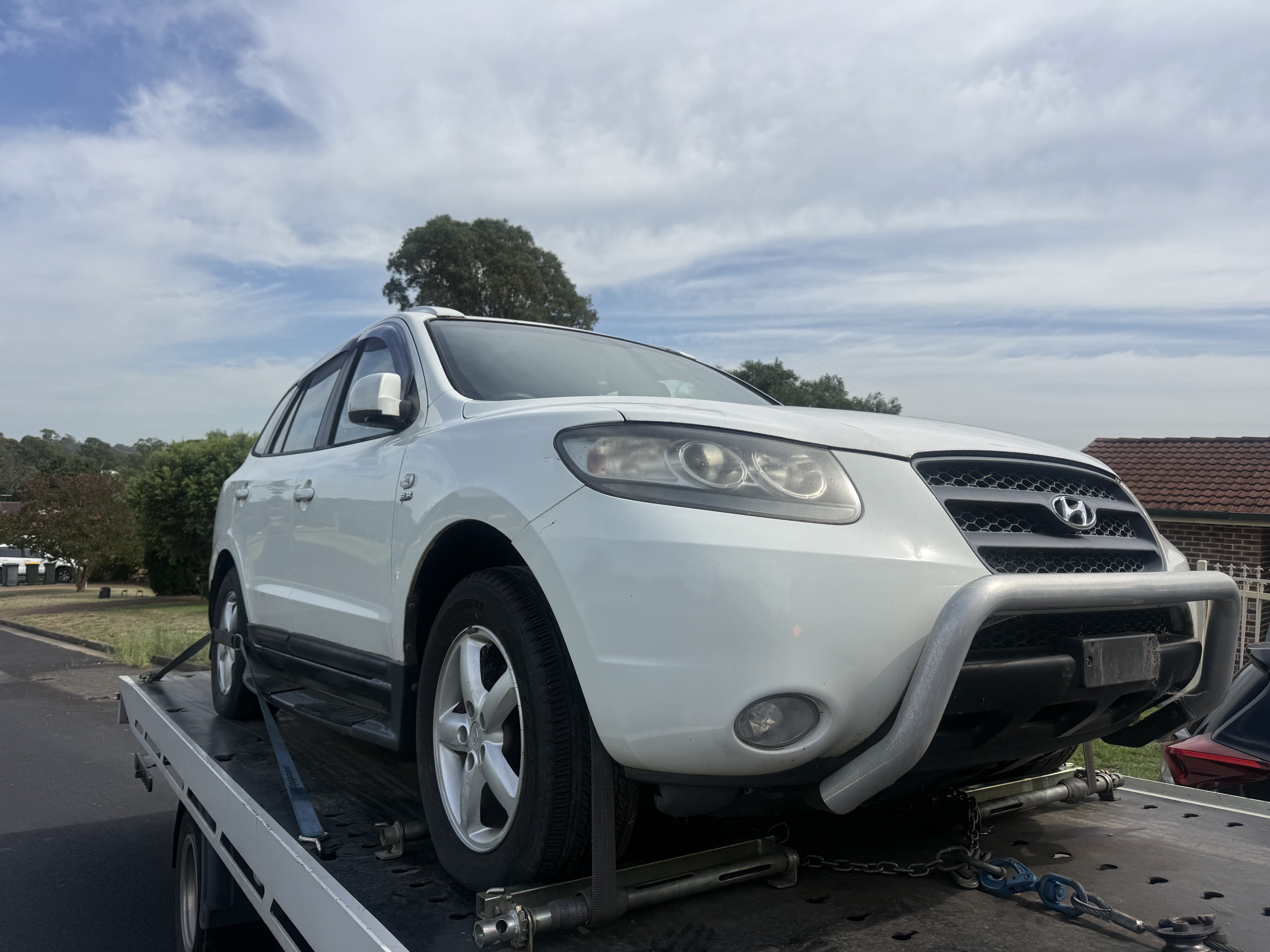
If the part is going to a repairer, provide the workshop’s address, receiving contact and availability. Ask who will check the item on arrival. The delivery destination may differ from the customer’s home address.
Qualified staff check and test parts, and we sell working components. Employees remove parts; there is no pick-your-own dismantling. Ask about the condition and origin of the particular item. We offer no additional voluntary warranty. Returns are available for a faulty item or one we supplied incorrectly; we do not offer a change-of-mind return when the customer requested the wrong part. These terms do not exclude applicable statutory consumer rights.
Shipping is charged separately. Eligible small parts can travel by courier; large assemblies can be arranged through freight or delivery trucks. Batteries and tyres cannot be sent by courier. Agree on the item, transport suitability and total charges before ordering.
For braking components, provide the vehicle and original identification. Add a separate item description for workshop-specified parts if both are needed.
Check availability, condition, compatibility and what the quoted assembly includes with the team and your repairer.
Discuss workshop delivery, the actual receiving address and any access requirements before confirming paid freight or pickup.
Contact the team with the order details and a description of the issue, and agree on return arrangements before sending it back. We accept returns for faulty items and items we supplied incorrectly. Applicable statutory consumer rights are unaffected by the absence of an additional voluntary warranty.
Confirm the required item first, particularly for braking components and workshop-specified parts. We do not offer a change-of-mind return for a part the customer requested incorrectly; this does not exclude applicable consumer rights.